When fans tune in to a football game, the expectation is simple: press a button, find the game and watch it live. Behind that simplicity is an entirely different world.
For the 2026 Las Vegas Raiders preseason, another full-scale transmission operation was underway at Allegiant Stadium, one designed not only to deliver the game to viewers across the United States, but also to support an international broadcast feed for audiences in Mexico.
The project brought together Streaming Media Live, IT Video Transport, Roberts Communications Network, and an experienced team of broadcast engineers and transmission professionals working behind the scenes.
And for the transmission side of a live sporting event, the objective is never simply to get a signal from Point A to Point B.
The real objective is making sure it stays there.
A Live Broadcast Is Only as Strong as Its Backup Plan
Live sports leave very little room for error. Once the game begins, there is no opportunity to stop the clock because a transmission path has failed. A touchdown, interception or major play can happen at any second, and the broadcast infrastructure has to be prepared for exactly that.
That is why redundancy is one of the most important parts of professional live transmission.
A transmission team isn't only thinking about the primary signal path. Engineers are constantly considering what happens if a piece of equipment fails, a circuit drops, a network connection becomes unstable or one delivery path suddenly becomes unavailable. The goal is to build a workflow where another path is available so the broadcast can continue with as little interruption as possible. That preparation begins long before kickoff. Signal paths have to be established. Equipment has to be configured. Transmission destinations have to be confirmed. Video and audio must be checked. Communication between the venue, transmission partners and receiving networks has to remain open.
Then everything is tested.
And tested again.
Because once the game begins, preparation becomes everything.
One Game, More Than One Destination
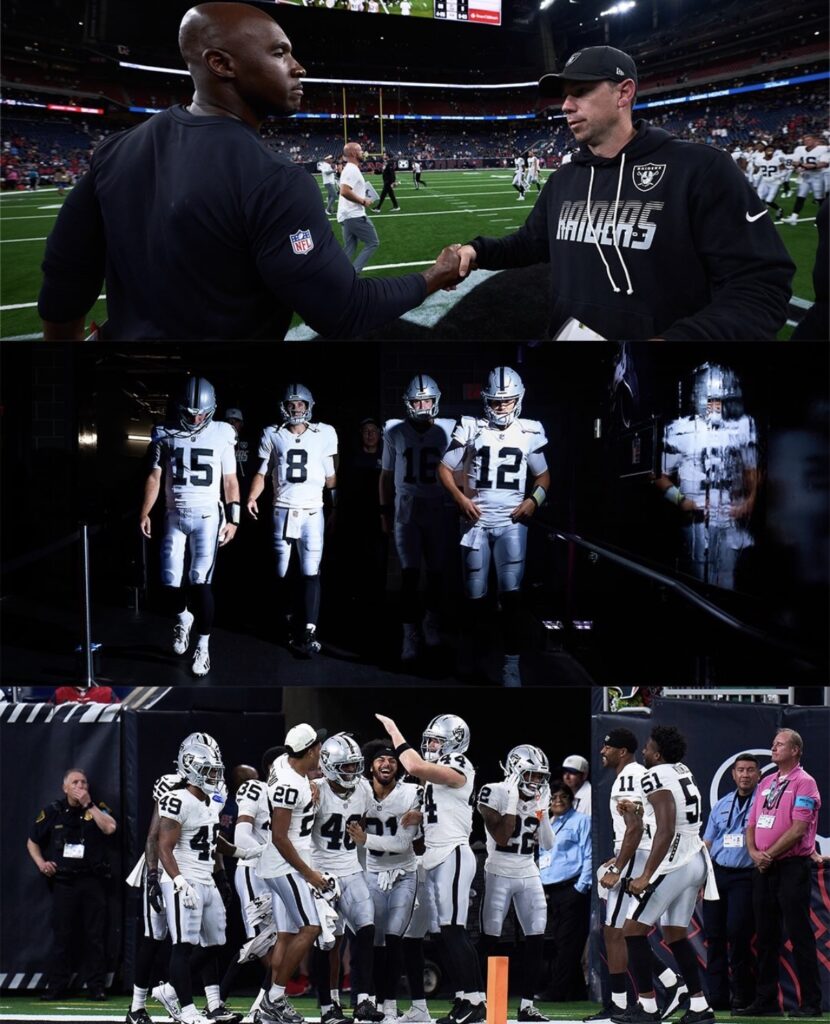
The Raiders preseason broadcast presented another layer of complexity because the signal wasn't serving only one audience. The operation supported both a domestic U.S. transmission and an international feed, requiring coordination between multiple endpoints and broadcast partners.
From an engineering standpoint, that changes the workflow.
Each receiving destination has its own requirements, and those requirements have to be accounted for before the signal ever leaves Allegiant Stadium. The correct program video has to reach the correct destination. Audio has to remain intact. Transmission parameters have to match what the receiving side is expecting. Engineers on both sides need to communicate during testing and remain available throughout the broadcast.
The audience never sees those conversations.
They aren't supposed to.
When transmission is working correctly, viewers simply see the game.
Extending Raider Nation Into Mexico
The international side of the broadcast is particularly significant because of the Raiders' connection with Mexico and Canal 6.
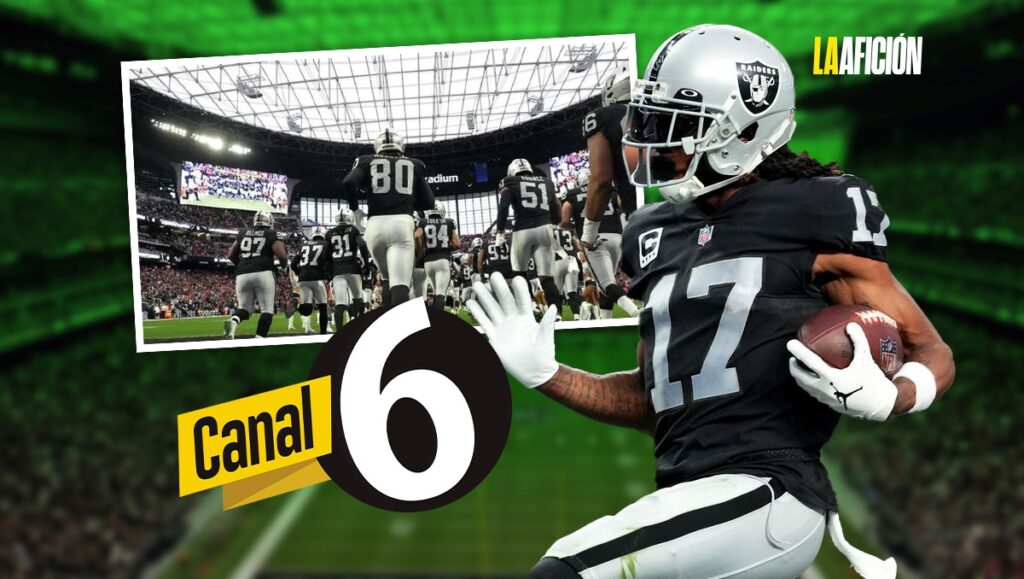
Grupo Multimedios became an official Raiders multimedia partner in Mexico in 2023, expanding the team's ability to reach its large Mexican fanbase through television, radio and digital coverage. As part of that relationship, Canal 6 has carried Raiders preseason football for viewers in Mexico, helping bring the atmosphere of Allegiant Stadium directly to Raider Nation south of the border. That means the transmission chain behind the event is doing more than moving video.
It is connecting two markets to the same live moment.
A touchdown happens in Las Vegas.
Within moments, fans watching throughout the United States and fans watching the international broadcast in Mexico are experiencing that same play. Making that possible requires an interconnected network of people, equipment, infrastructure and broadcast partners working together.
The Engineering Nobody at Home Sees
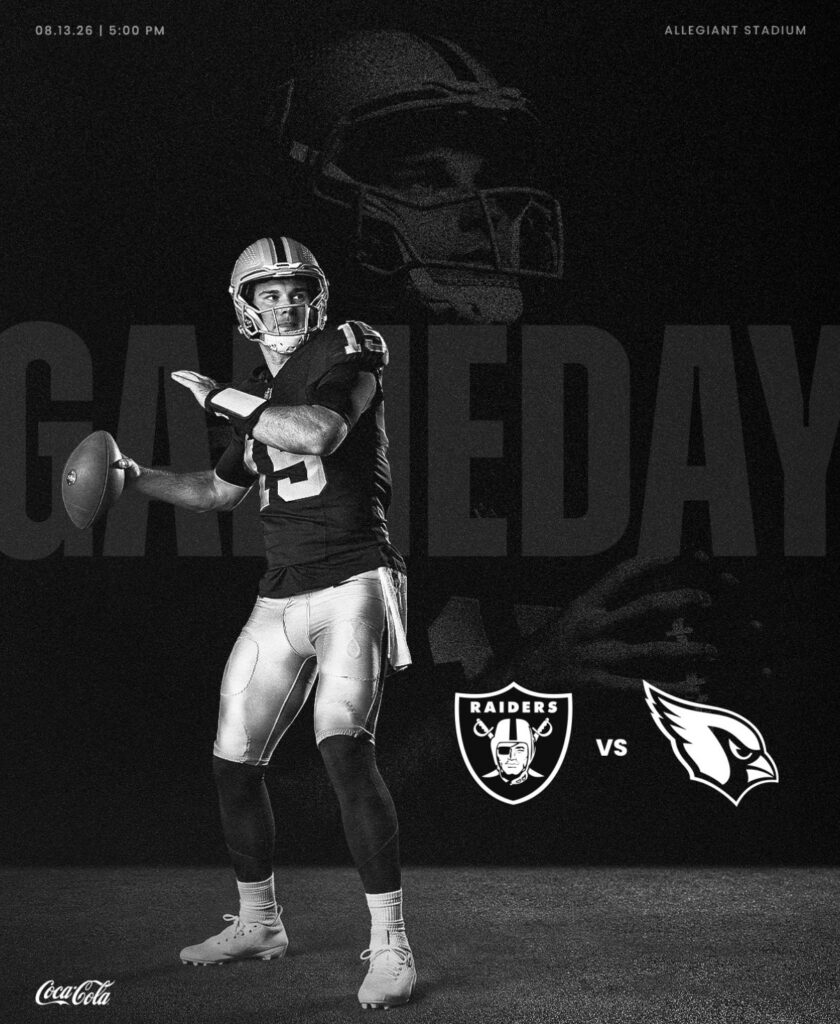
A good transmission operation can almost be measured by how little the viewer notices it. There are no graphics celebrating a successful signal handoff. Nobody watching at home sees an engineer monitoring the feed, checking levels, confirming paths or communicating with the receiving side.
They don't see the redundancy plan sitting behind the primary transmission.They don't see the equipment that has been tested before the event or the engineers watching for small problems before those problems ever make it to air, but all of those things are happening. Throughout a live broadcast, the technical team is continuously keeping an eye on signal integrity and the health of the transmission workflow.
A failure somewhere in the chain could mean losing pictures or sound at the receiving destination. That is why redundancy isn't an extra feature in live television. It is part of the design. The best time to figure out what happens when something fails is not when it fails.
It is hours, sometimes days before the broadcast begins.
Collaboration Is What Makes the Signal Work
Large live events rarely come down to one company or one engineer. They are collaborative operations.
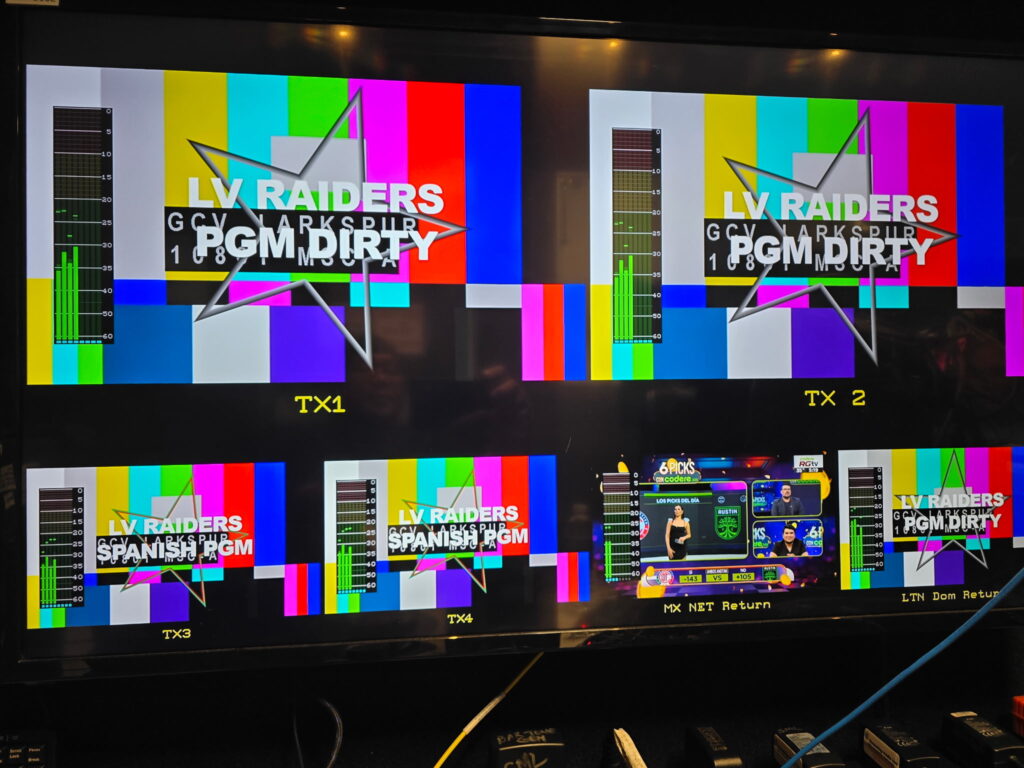
For this Raiders preseason production, that meant coordination between the onsite technical team, transmission engineers, receiving networks and the partners responsible for helping move the broadcast beyond Allegiant Stadium. A special thank you goes to IT Video Transport for once again being an important part of the transmission workflow and helping make these connections possible. We would also like to recognize our longtime partners at Roberts Communications Network.
Working with experienced transmission partners becomes especially important on productions involving multiple destinations and international distribution. The technology matters, but so does having engineers on both ends who understand broadcast workflows and know how to troubleshoot under live conditions.
When something changes five minutes before air, there isn't time for a long meeting.
The people involved have to communicate clearly, understand the system and solve the problem.
That level of trust between teams is one of the less visible, but most valuable parts of live broadcasting.
When the Game Starts, Everything Has to Be Ready
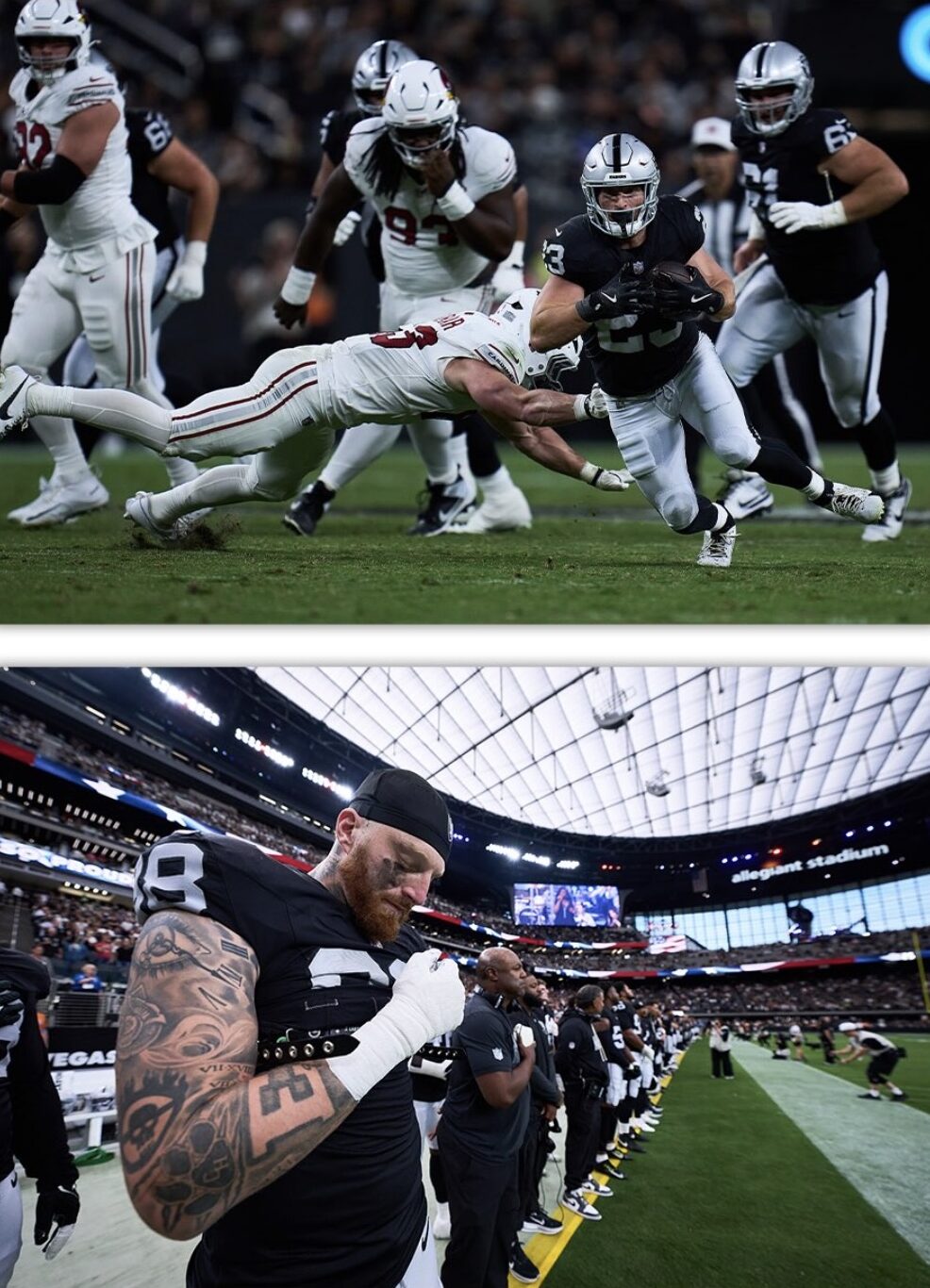
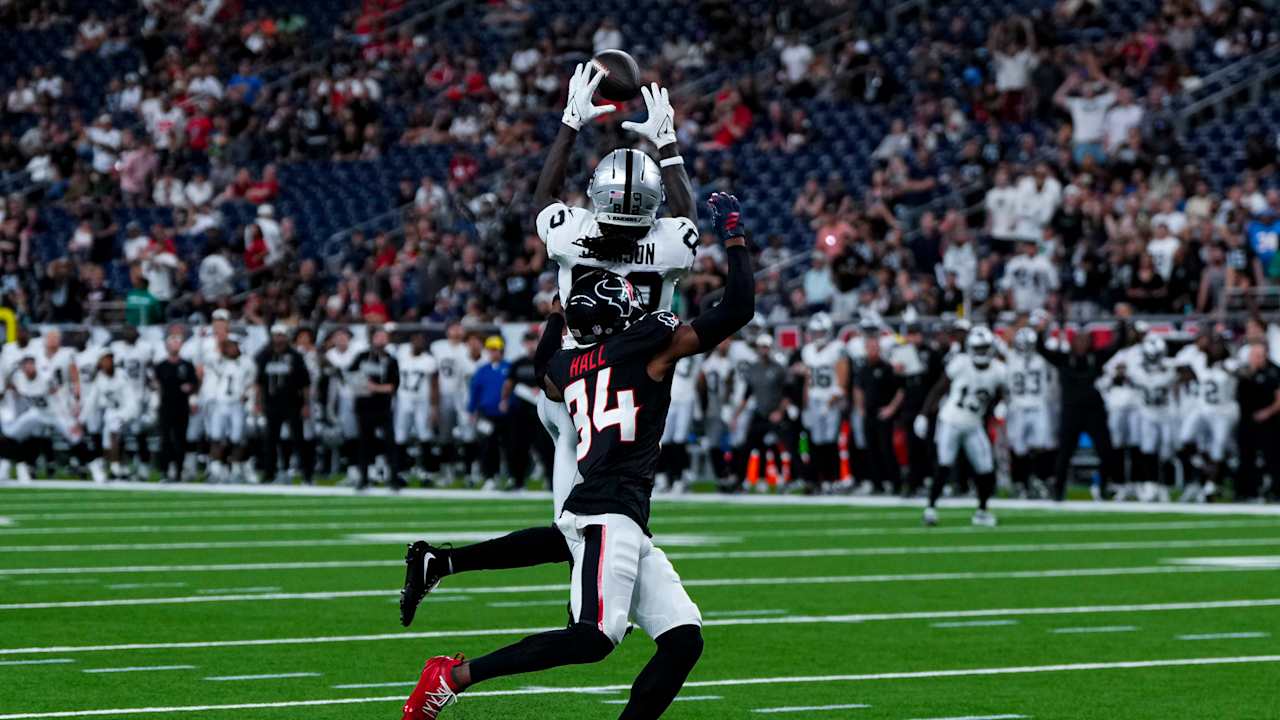
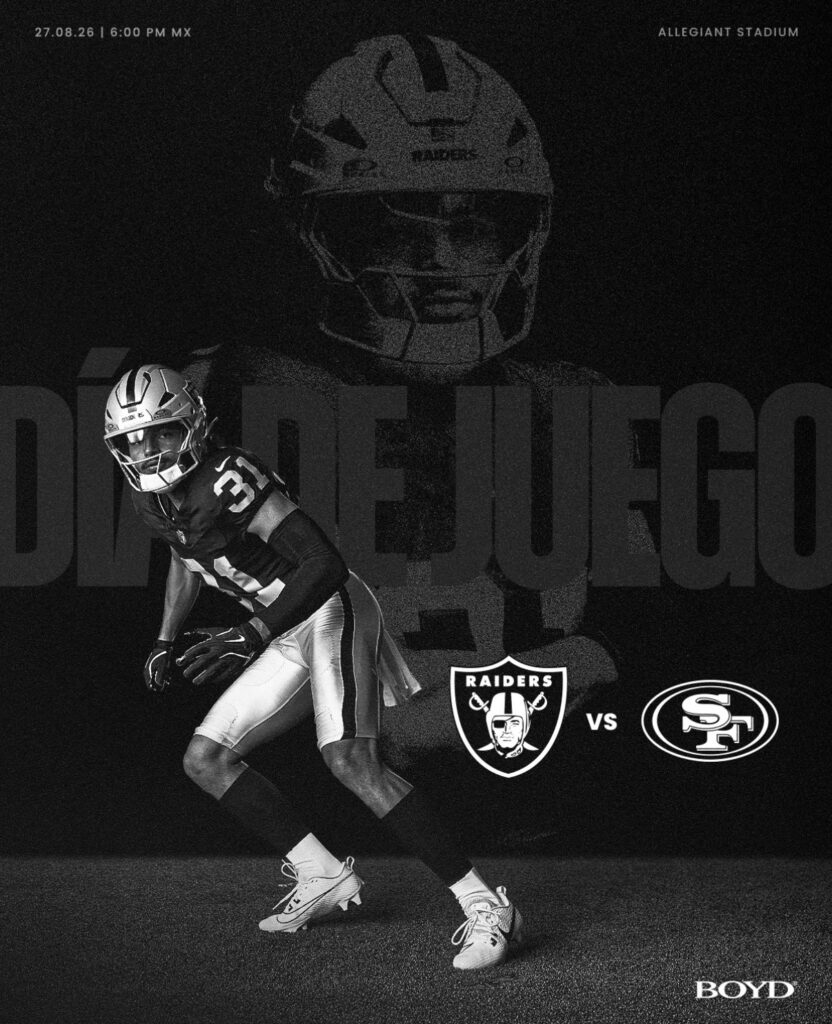
The Raiders opened their 2026 preseason at Allegiant Stadium on August 13 against the Arizona Cardinals. For fans, it was another opportunity to see the Silver and Black back on the field and get an early look at the roster heading toward the regular season.
For the technical teams behind the broadcast, kickoff meant something different. By that point, most of the work had already happened: The paths had been established, The feeds had been checked, The destinations had been confirmed, The redundancy had been considered, and everyone involved was in position.
That is the strange reality of transmission work: hours of preparation are invested so that, once the show begins, almost nothing appears to be happening at all.
The signal simply works.
The Team Behind the Signal
Projects like this are ultimately about people just as much as equipment.
A successful transmission depends on the engineers monitoring the signals, the crews working inside the stadium, the technicians at the receiving facilities and the partners coordinating each part of the delivery chain.
We want to thank the entire technical and transmission team involved in this year's Raiders preseason broadcasts for the preparation, communication and attention to detail required to keep everything moving.
A special thank you again to IT Video Transport for its support and collaboration, as well as our partners at Roberts Communications Network for continuing to work alongside our team on complex broadcast and transmission projects.
And, of course, a massive thank you to the Las Vegas Raiders organization and the many production professionals behind the broadcast for allowing us to once again be part of the operation.
Because when Raider Nation turns on the game in the United States or hundreds of miles away in Mexico, the technology should disappear.
Football should be what matters.
Behind the screen, however, an entire transmission network is making sure it gets there.